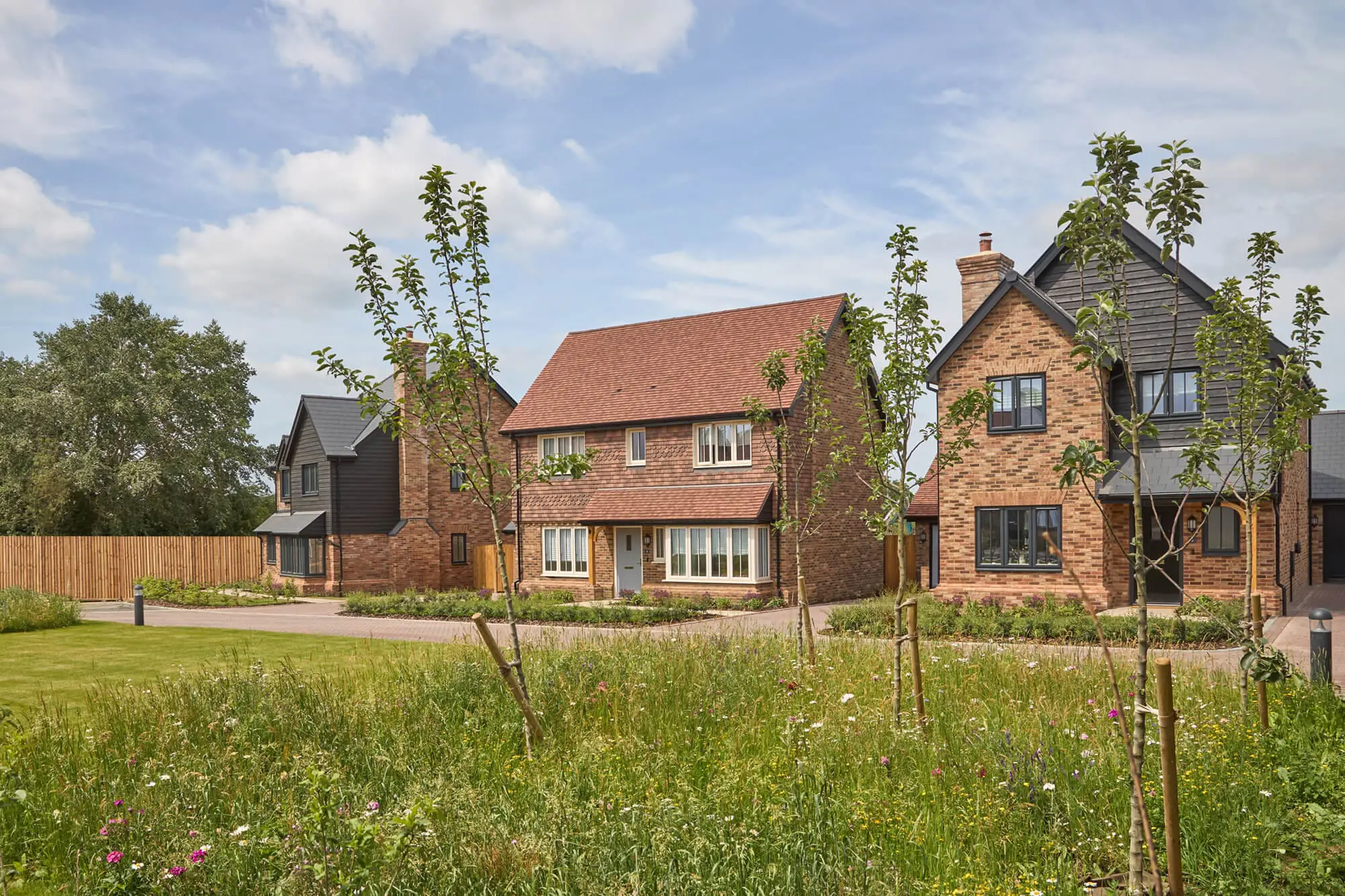
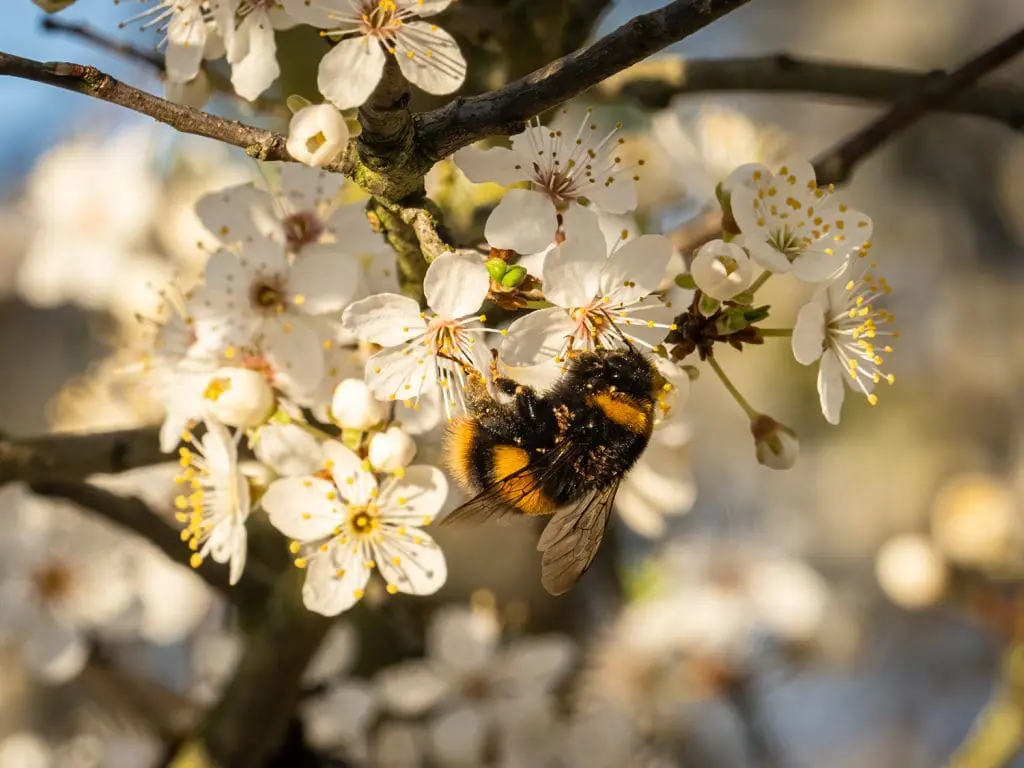
As part of our environmental strategy, we are also integrating significant green spaces, trees and planting into our proposals in order to support local wildlife, indigenous species and pollinators. Public open spaces contribute to biodiversity, support sustainable drainage, reduce urban heat effects, and improve overall air quality.
Sustainable urban drainage systems including attenuation basins and swales are incorporated within the green infrastructure network to capture and manage surface water on site.
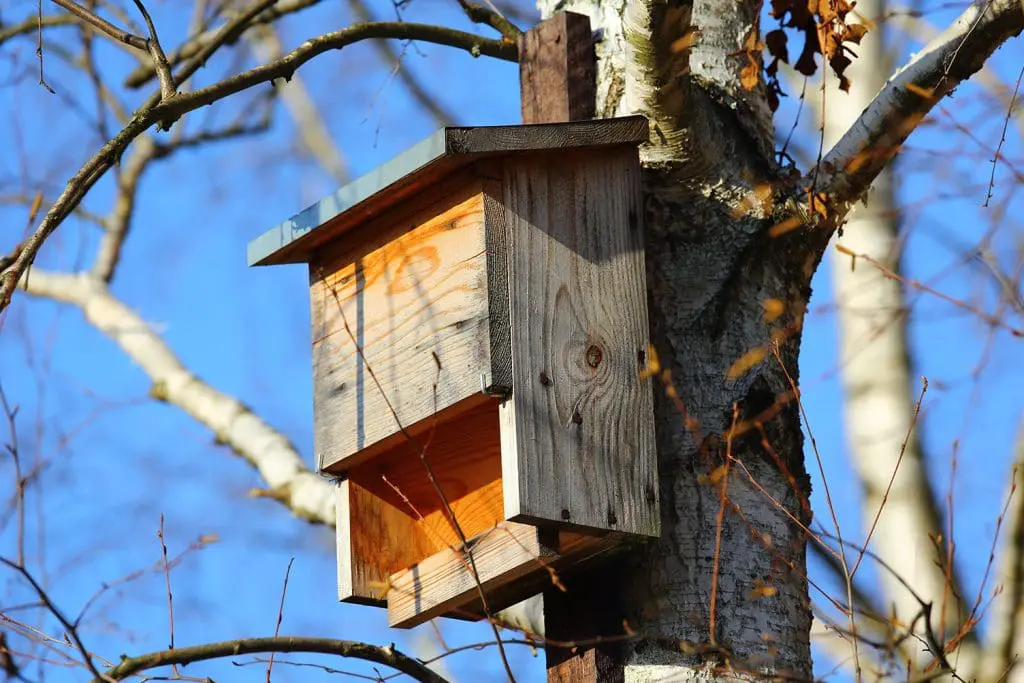
We are ensuring that our application provides a 10% net gain for biodiversity through the provision of a large dedicated biodiversity area in the northeast corner of the site, which will include species rich scrub planting and grassland, bioswales and habitat creation for nesting birds. In the south of the site important existing ecological features such as elements of traditional orchard will be retained and new significant habitats will be created, including a native wildflower meadow and wildlife ponds integrated into the sustainable urban drainage systems. Aquatic habitat will provide an ecologically rich resource for local wildlife.